

Photography is much more than just capturing moments. It's an art form that plays with light and shadow to tell emotions and stories. One of the most fascinating techniques in photography is backlighting. This method, where light falls directly onto the subject from behind, can create breathtaking and dramatic images. In this blog post, we will discuss the basics of backlighting, the challenges, and tips for impressive shots.
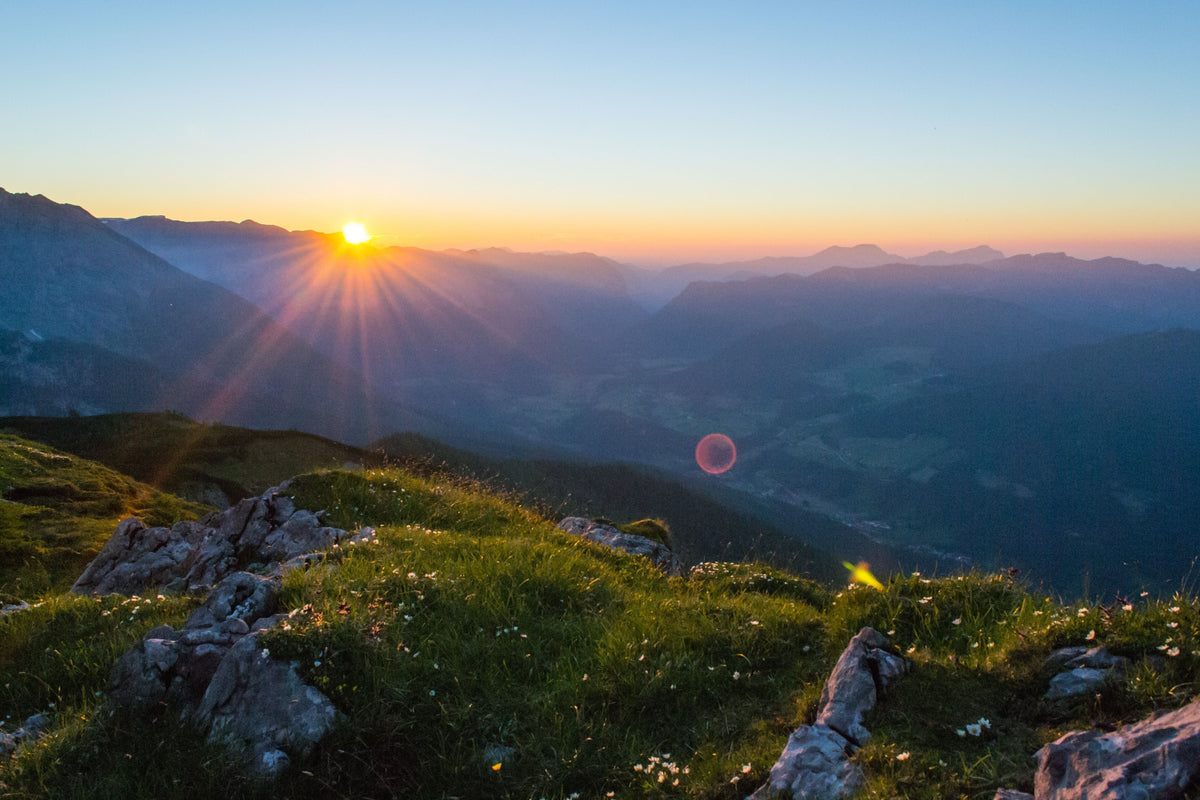
Backlighting refers to a lighting technique where the main light source is positioned behind the subject. This leads to a series of effects, such as silhouettes, lens flares, and accentuated contouring of the subject. The light falls directly into the camera lens, resulting in strong brightness and often a glowing halo effect around the subject.

The Challenges of Backlighting
Shooting with backlighting can be challenging. Here are some of the most common problems and how to overcome them:
-
Overexposure: Since the light falls directly into the lens, there is a risk of overexposure. One way to avoid this is to manually adjust the exposure and expose for the subject.
-
Lens Flares: Lens flares can be both a creative element and a distracting factor. Using a lens hood or strategically placing your hand in front of the lens can help minimize unwanted reflections.
- Loss of Detail: In backlight, details can easily be lost. This can be mitigated by using a flash or a reflector that bounces light back onto the subject.

Tips for Impressive Backlit Shots
- Utilize Golden Hour: The best time for backlighting is during the "golden hour" – that's the hour after sunrise and the hour before sunset. The light is soft and warm, creating a magical atmosphere.
- Create Silhouettes: Backlighting is excellent for photographing silhouettes. Position the subject so that it blocks the light source, and expose for the brighter background to create strong contrasts and dark outlines.
- Capture Light Streaks: Play with the position of the light source to create light streaks or rays shining through the subject. This can be particularly effective when the light shines through leaves, hair, or other translucent objects.
- Use HDR Technique: To preserve details in both bright and dark areas, HDR (High Dynamic Range) photography can be helpful. This involves taking multiple pictures with different exposures and merging them in post-processing.
- Use Manual Settings: Automatic settings tend to overcompensate for exposure in backlighting. Use manual settings to precisely control exposure and focus.

Creative Effects and Adjusting Exposure Parameters
Backlighting offers the possibility of achieving creative effects, such as highlighting contours and creating dramatic silhouettes. To make the most of these effects, you should adjust the following exposure parameters:
-
Aperture: A larger aperture (smaller f-number) lets more light into the camera and can blur the background. For sharp contours and details, use a smaller aperture (larger f-number).
-
Shutter Speed: A faster shutter speed helps prevent overexposure and freeze motion. A slower shutter speed can be used for creative blur effects.
- ISO Value: Keep the ISO value as low as possible to minimize image noise. In low light conditions, a higher ISO value may be necessary, but be aware of the increased noise.

Additional Products for Better Backlit Photos
To master the challenges of backlighting and achieve high-quality photos, the following products can be helpful:
Lens Hood: Helps reduce unwanted lens flares and improve image quality.
Reflector: A reflector can be used to direct light back onto the subject, highlighting details.
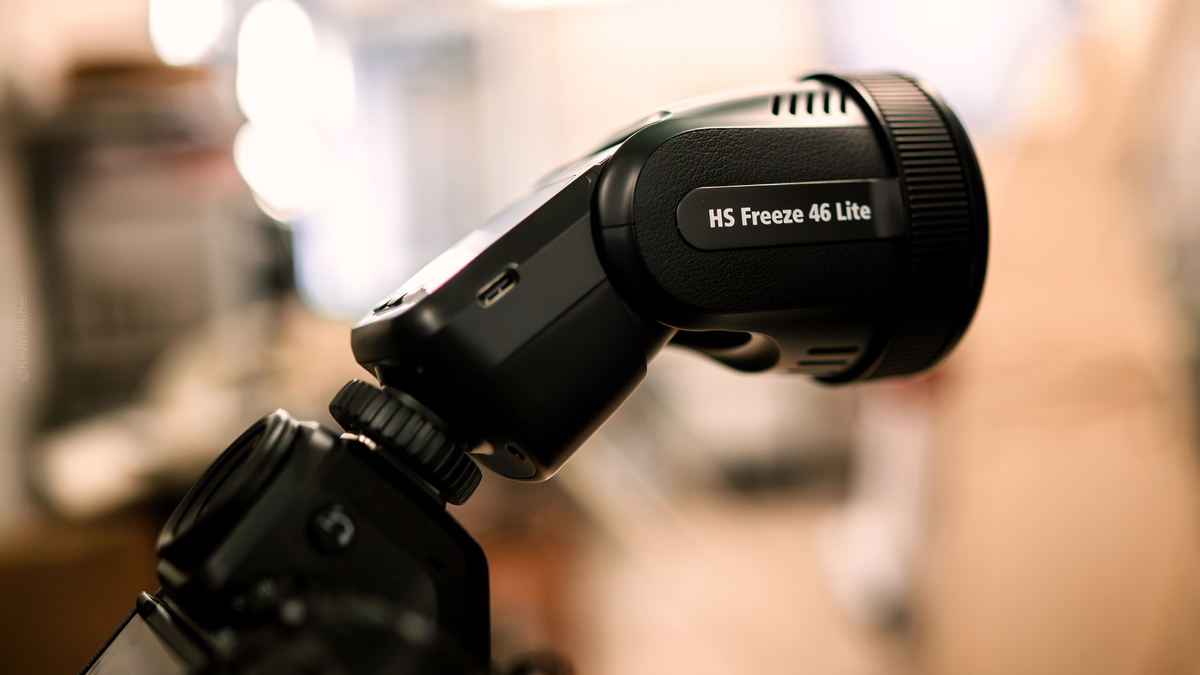
External Flash: A flash can help brighten the subject and make details in the foreground visible without overexposing the background.
Neutral Density Filter (ND Filter): Reduces the amount of light entering the lens, allowing for longer exposure times or larger apertures in bright light.
Tripod: A tripod is essential for stable shots, especially with longer exposure times.
Backlighting is a fascinating technique that offers both challenges and immense creative possibilities. With a little practice and experimentation, photographers can create breathtaking images that masterfully utilize the play of light and shadow. Whether it's about creating dramatic silhouettes, capturing glowing halo effects, or simply harnessing the warm atmosphere of the golden hour – backlighting is a valuable skill that enriches any portfolio.
Give it a try and let yourself be enchanted by the magical effects of backlighting! We would be delighted if you would tag us on Instagram, Facebook, or TikTok with @rollei_de and #rolleimoments.

Share:
The Rollei 35 AF: What's new and what's not
Comparison of Film Genres: An Overview