

The Viltrox AF 16mm F/1.8 for L-Mount is here – and it’s for everyone who wants to take their ultra-wide-angle shooting to a new level. Professional photographer Stephan Wiesner had the opportunity to extensively test the lens with the Panasonic S9.
In this article, you’ll learn more about his impressions and recommendations – from image quality and creative applications to practical tips for your ultra-wide-angle photography.
Whether it’s sharpness, distortion, or aperture: Stephan took a close look – and we’ve summarized his experiences for you.
Perfect for vlogging – compact, stable, and impressively wide
16mm on full-frame opens up entirely new possibilities for vlogging. Stephan combined the lens with the Panasonic S9 and the DJI RS5 Gimbal – and the result is impressive: Thanks to its low weight, the camera can be easily held with one hand, and the gimbal ensures butter-smooth movements.
Thanks to the RS5's face detection, supported by the autofocus of the lens, Stephan Wiesner always stays in focus – without any manual adjustments. If you prefer less wide-angle effect, you can switch to crop mode and thus switch to an effective 24mm – ideal for reducing the classic wide-angle distortion in your vlog image.
Image sharpness – convincing performance even at open aperture
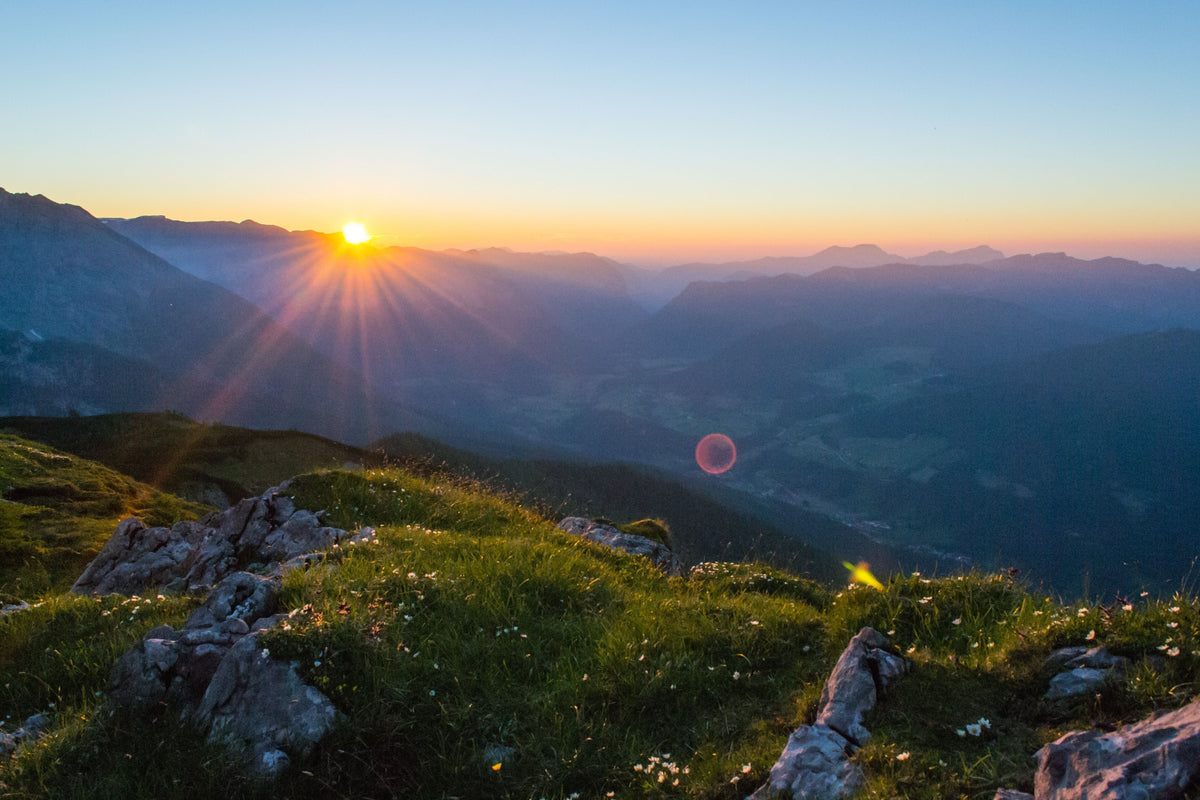
Even wide open at F/1.8, the Viltrox 16mm delivers strong sharpness – both in the center of the image and at the edges. If you stop down slightly, the imaging performance increases significantly. This makes the lens excellent for landscape and architectural photography, where even details at the edge of the image should be rendered razor-sharp.
At open aperture, the lens shows noticeable vignetting, i.e., darkening at the image edges. This behavior is typical for fast ultra-wide-angle lenses and is significantly reduced when stopped down. In post-processing, vignetting can be completely corrected with a few clicks – but if you want to use it as a creative tool, there is also scope for that.
Architecture and converging lines – the trick with camera height
One of the classic topics in ultra-wide-angle photography is the handling of converging lines. They can be used perfectly for deliberately dramatic architectural photography. However, if you want to capture a building as naturally as possible on vacation, you should hold the camera as high as possible.
Wiesner impressively demonstrates this with a simple stool: the difference between a camera held low, at head height, and at an elevated position is considerable. If you have the opportunity to gain height – whether with a stool, a ladder, or simply outstretched arms with a swivel display – you should seize this chance.
Creative distortion – placing the peak at the edge
A particularly effective tip for architecture and landscape: At 16mm, it is crucial where the main subject is located in the image frame. For example, if you place the peak of a building in the center of the image, it appears relatively neutral. However, if you deliberately place the peak at the top edge of the image, a significantly more dramatic, steeper effect is created – the mountain appears higher, the building more imposing.

This technique is particularly worthwhile for modern architecture or striking buildings that thrive on their unique form.
Creative portraits and close-ups – distortion as a stylistic device
The 16mm is not only suitable for wide landscapes. Wiesner shows how the typical wide-angle distortion effect can be creatively used for portraits and product photos: Objects or body parts held close to the lens appear oversized. A skateboard, a tennis racket, a fist in karate – all of these can become a strong, artistic image motif.

The professional also regularly uses this effect for video thumbnails and covers: The advertised product, distorted and held large in front of the camera, makes it clear at first glance what it's about.
Landscape and night photography – aperture that makes the difference
For travel and outdoor adventures, an ultra-wide-angle lens with F/1.8 is a real ace up your sleeve. Whether at dusk, in the city center at night, or under the starry sky: one stop more compared to an F/2.8 lens means twice as much light – and thus the possibility to halve the ISO value.
Conclusion – An ultra-wide-angle for almost every situation
The Viltrox AF 16mm F/1.8 for L-Mount is a versatile, fast lens that can do much more than buildings and landscapes. Anyone who wants to work creatively with distortion, proximity, and drama will find an ideal tool here – whether for photos or videos.
As Stephan Wiesner aptly summarizes in his review: An ultra-wide-angle should not be missing from any camera bag. And if it's also fast and comes at a fair price, there's actually hardly any reason not to take it with you.

Share:
8 Tips for Stunning Photos with a 24mm Lens
Stephan Wiesner out and about with Rollei prime lenses for a practical test