
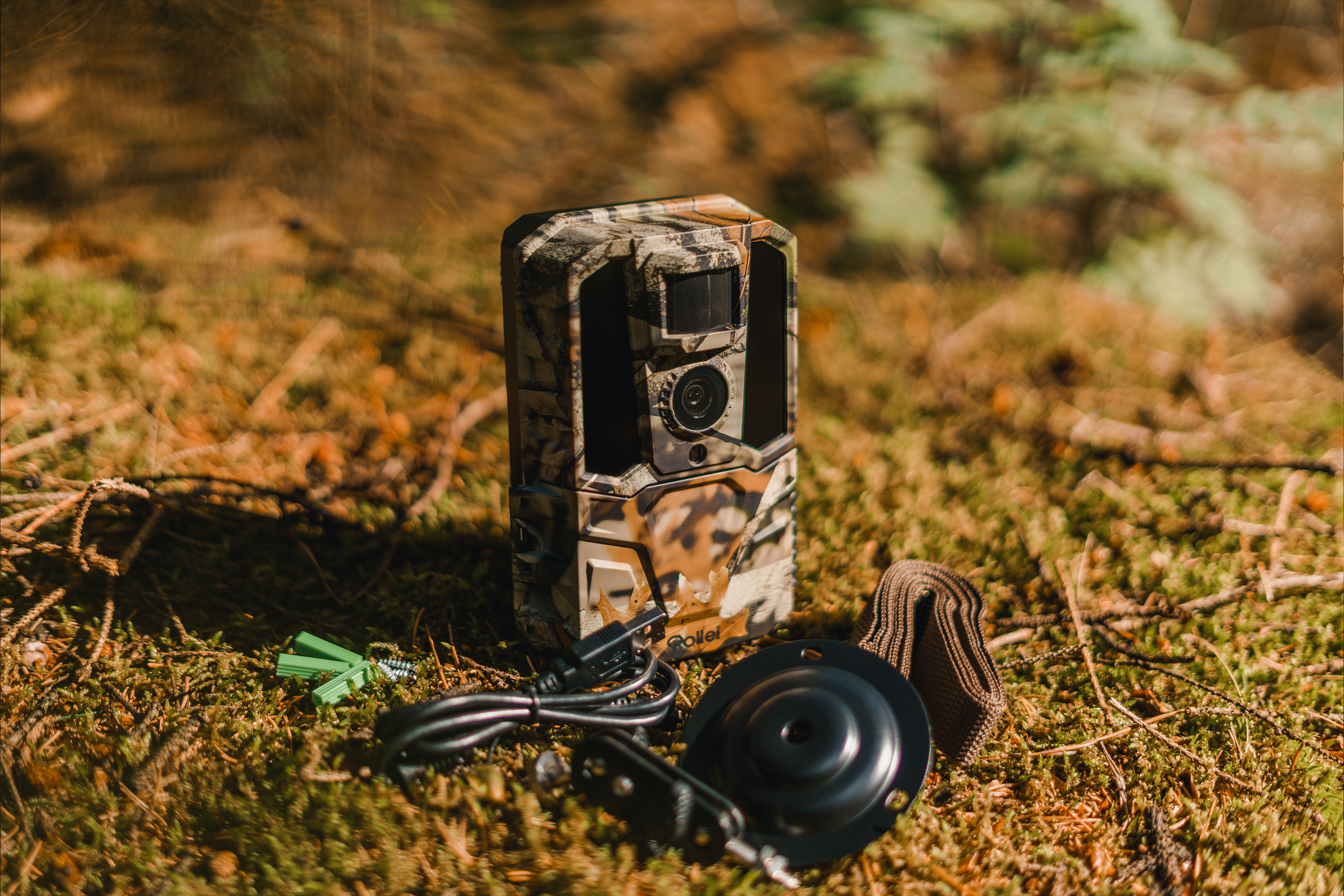
Trail cameras are an indispensable tool for nature observers, hunters, researchers, and even for property security. These specialized cameras are designed to operate autonomously in the wilderness, automatically capturing images or videos when they detect movement or heat sources. But what defines a trail camera, and how do you use it correctly and responsibly? This blog post explores the world of trail cameras and provides valuable tips for those interested.
What are trail cameras?
Trail cameras are robust, weatherproof cameras designed for long-term outdoor use. They feature motion sensors that are triggered as soon as an animal (or person) enters their detection range. Modern trail cameras can capture high-quality photos or videos day and night, thanks to infrared or white light flash technology.

Where can you use a trail camera?
The uses of trail cameras are diverse. They range from wildlife observation and research, to hunting, to property surveillance. Researchers use them to collect data on animal populations or behavioral patterns without disturbing their natural habitat. Hunters, in turn, use trail cameras to monitor game movements and activities in their hunting areas. In the field of security, they help identify unwanted visitors on private property.

What conditions should be observed?
The use of trail cameras is subject to specific laws and regulations in many countries. In general, it is important to respect the privacy of others and not to hang cameras in areas where they could film people without their knowledge. Inform yourself about local laws and regulations before installing a trail camera.
What should you consider when buying a trail camera?
When buying a trail camera, you should pay attention to the following features:
- Resolution: Higher resolution, typically measured in megapixels (MP), provides more detailed images and videos. For clear and sharp images, a resolution of at least 12 MP for photos and 1080p for videos is recommended. Some high-end models even offer 4K video resolution, which is particularly useful if you want to capture animals in their natural habitat with maximum detail.
- Trigger Speed: The trigger speed, often measured in seconds, should be as short as possible, ideally under one second. This ensures that the camera reacts quickly enough to capture animals in motion before they leave the detection area. Models with a trigger speed of 0.2 to 0.5 seconds are considered very good in this regard.
- Detection Range: The detection range, also known as detection distance and angle, should be wide enough to cover a large area. A typical detection angle is between 40° and 110°, while the detection distance can be up to 30 meters or more. A larger range increases the chances of detecting animals, especially in open spaces.
- -Battery Life: Battery life is crucial because trail cameras are often installed in remote areas without regular maintenance. Look for models that can function for several months to a year on one set of batteries. The use of AA batteries or even solar panels can improve battery life and reliability.
- Storage Options: Sufficient storage space is important to ensure that the camera can store recordings over a longer period. Many cameras support SD cards with a capacity of up to 32 gigabytes or more. Some models also offer cloud storage options, which allow remote access to images and videos and provide a secure and convenient storage solution.
- Weather Resistance: The robustness and weather resistance of a trail camera are essential to withstand extreme weather conditions. Look for models with an IP rating (Ingress Protection), which indicates how well the camera is protected against the ingress of solid objects (e.g., dust) and liquids (e.g., water). An IP67 or IP68 rating is ideal, as it guarantees protection against dust and immersion in water.
What is the best quality?
A good trail camera is characterized by high image quality, reliability, a fast trigger speed, long battery life, and ease of use. Additional features such as GPS tagging, Wi-Fi, or cellular connectivity can also be advantageous.
Prices for trail cameras vary widely, depending on the range of functions. Entry-level models are available for under 100 euros, while more professional cameras with advanced features can cost 500 euros and more.
What should be considered during installation?
Installation should be at a height of about 1 to 2 meters, facing the area to be monitored. The camera should be well camouflaged and firmly installed so as not to be detected or damaged by animals. Some models make noise when triggered, which can be disturbing in some situations.

Infrared flash vs. white light flash? Which should you choose?
Infrared flash is preferred for most wildlife observation applications, as it disturbs animals less and allows for inconspicuous recordings in the dark. While white light flash offers colored night shots, it can scare animals away or draw attention to the camera.
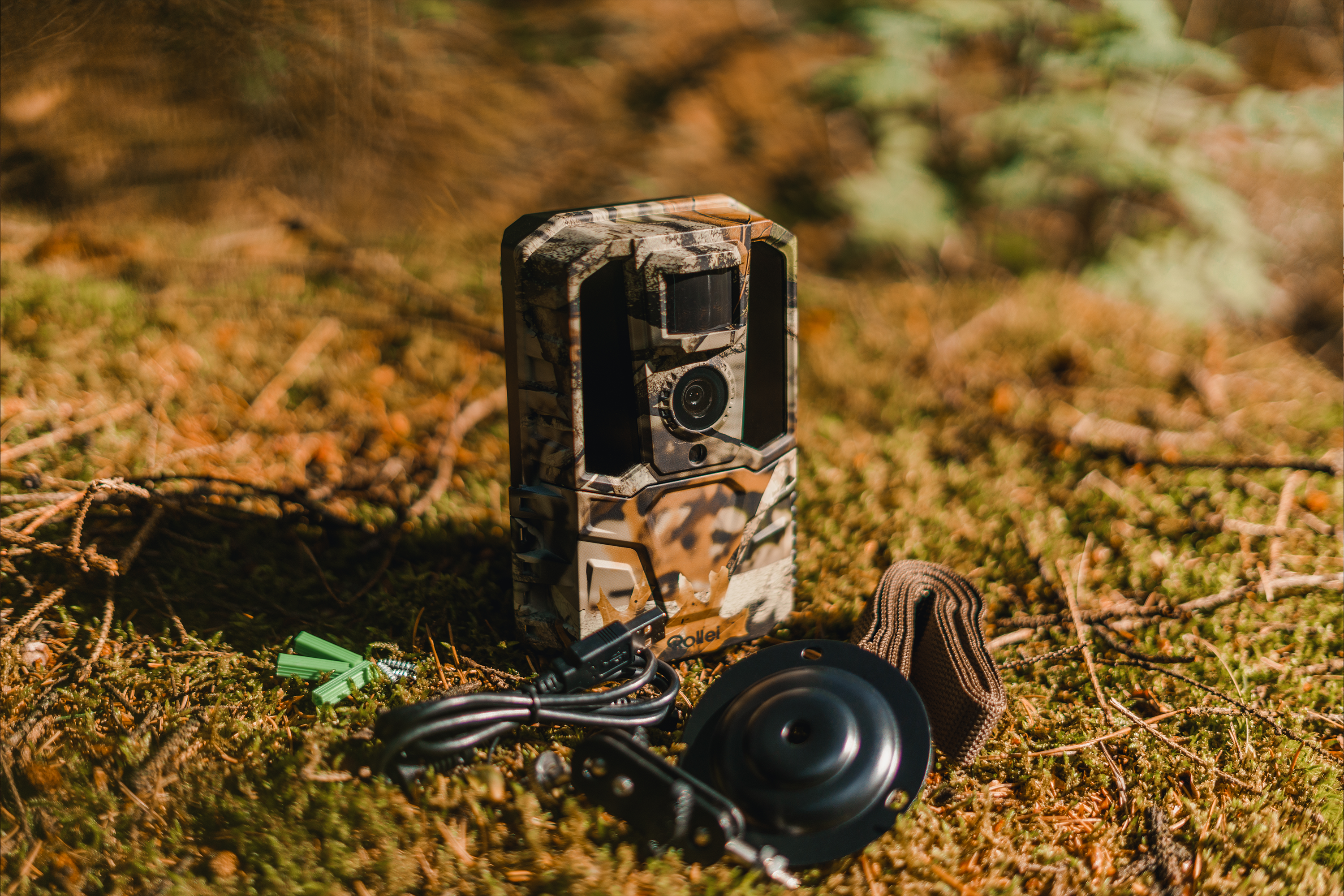
If you are ready to explore the hidden world of wildlife or effectively monitor your property, now is the perfect time to start with a trail camera. By purchasing a high-quality camera, you can not only capture the beauty of nature from a whole new perspective but also gain valuable insights into the wildlife in your environment. Take the first step into a fascinating hobby or improve your security measures by purchasing a trail camera.
And once you've captured impressive footage, don't forget to share your experiences and discoveries with the world! Use #rolleiwildkamera on social media to share your images with us.

Share:
Product presentation with Stephan Wiesner: Our Candela series
Remote Shutters in Photography: An Indispensable Tool for Creative Shots