
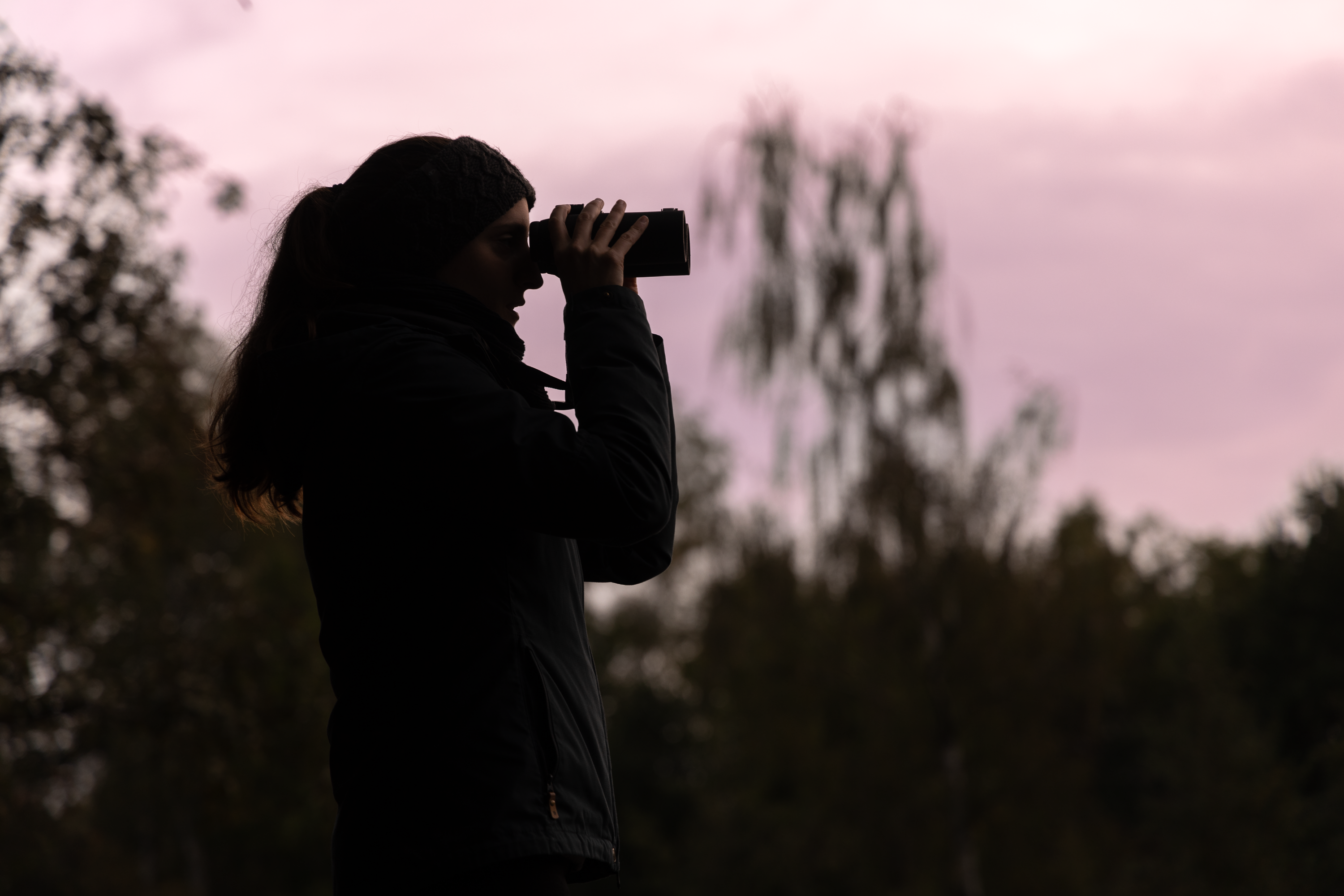
Binoculars are fascinating optical instruments that bring us closer to the wonders of nature, the starry sky, sporting events, and much more. But with the multitude of models and specifications, choosing the right binoculars can be overwhelming. In this blog post, we explain everything you need to know about binoculars and provide helpful tips for buying them.
Why do I even need binoculars?
Binoculars are used to magnify distant objects and are used for various activities such as birdwatching, hunting, astronomy, sporting events, and nature exploration.
Choosing the right binoculars depends on your specific needs and preferred application. By considering the points above, you can find binoculars that will bring you joy for years to come and enrich your observations.
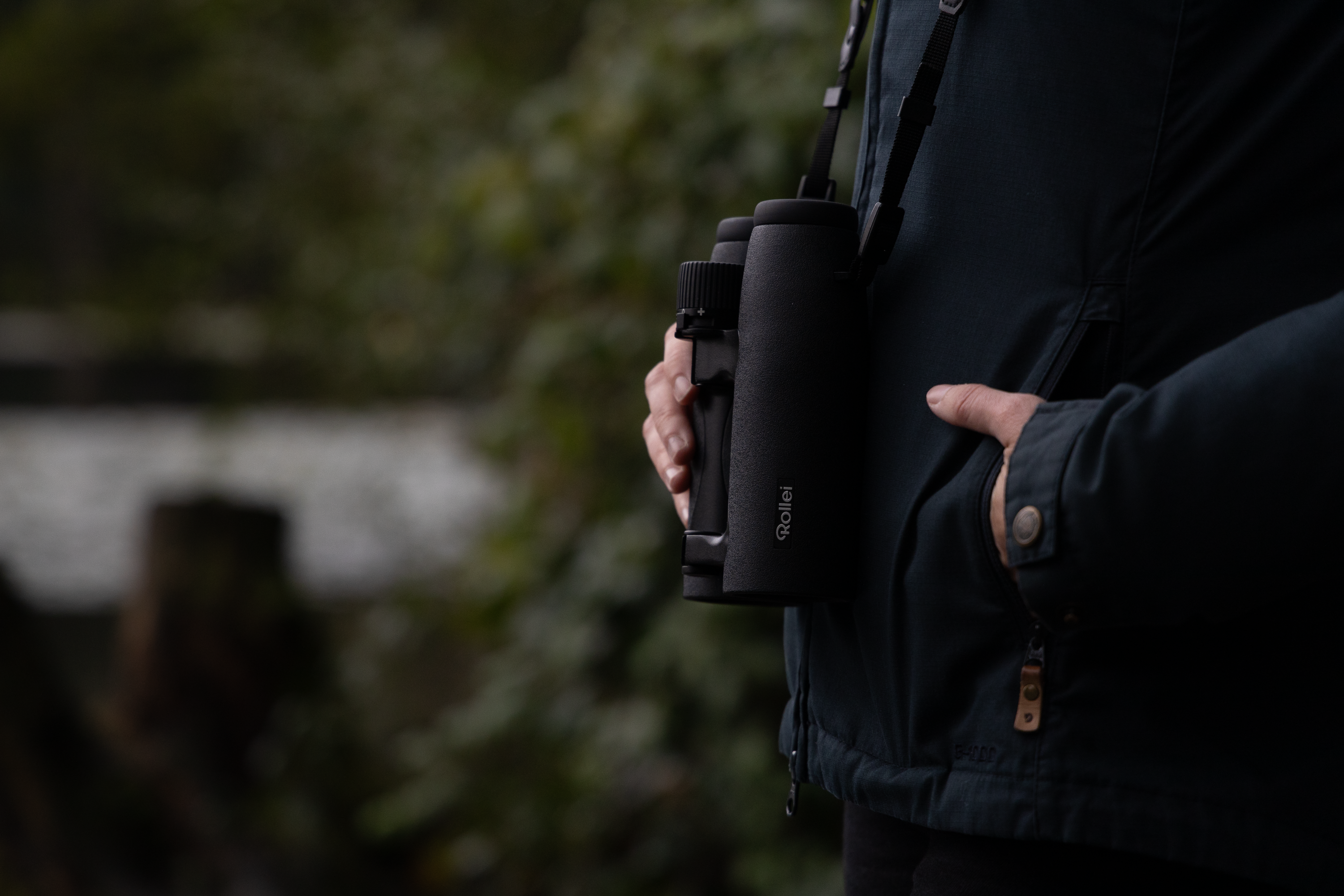
When buying binoculars, you should pay attention to the following aspects:
- Weight: Ideally, good binoculars for hiking or travel should weigh between 500 and 800 grams. Lighter models are more comfortable to carry, but too little weight can compromise image stability and robustness.
- Coatings: There are various types of coatings used on binoculars. The most common are:
- Anti-reflective coatings: These reduce light reflections and thus increase light transmission. This leads to a brighter and clearer image.
- Phase-correction coatings: These are applied to the roof prisms and correct phase shifts in light, improving image sharpness and contrast.
- Water and dirt-repellent coatings: These facilitate cleaning and protect the lenses from moisture, dirt, and oil.
- Prism design: There are two main types of prisms in binoculars: roof and Porro prisms. Roof prisms are generally more compact and lighter, while Porro prisms often offer a wider field of view and better depth perception.
- Diopter adjustment: This is particularly important for people whose visual acuity varies between their two eyes. Diopter adjustment allows for compensating for small differences in visual acuity.
- Ergonomics and ease of use: Handling should be comfortable, with a non-slip surface and easily accessible focusing wheels or adjustment levers.
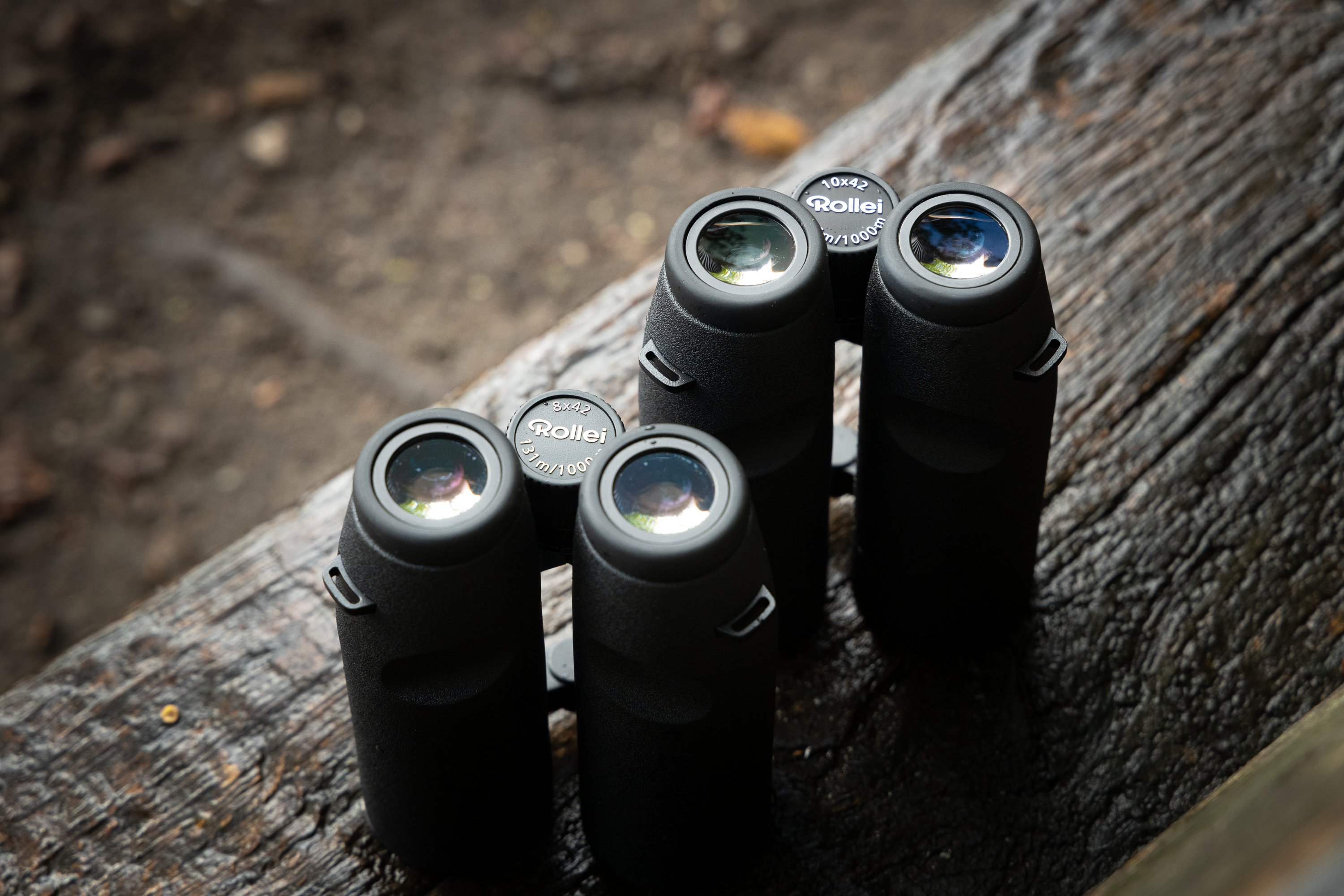
What magnification is best for good binoculars? Which is better: 10x42 or 8x42?
The ideal magnification depends on the area of use. Generally, 8x to 10x magnifications offer a good compromise between magnification and image stability.
- 10x42: Offers higher magnification, ideal for distant objects. At this distance, it may also be worthwhile to use a tripod to avoid camera shake.
- 8x42: Offers a wider field of view and is easier to stabilize, ideal for observation in moving situations and at shorter distances.
- Short to medium distances (up to 200 m): 8x magnification is usually sufficient.
- Medium to long distances (200 m and more): 10x or higher magnifications are advantageous.
Which binoculars for which purpose?
- Nature and birdwatching: 8x42 or 10x42 are popular, as they offer a good balance between light intensity and magnification.
- Hunting: 10x42 for long distances, 8x42 for denser vegetation.
- Astronomy: 10x50 or higher, to collect as much light as possible.
- Sports and event visits: A more compact binocular with 8x magnification is often sufficient.
What you should pay attention to when caring for your binoculars:
- Use special microfiber cloths and lens cleaning fluids.
- Store binoculars in a case to protect them from dust, moisture, and impact.
- Regularly check the settings and readjust if necessary.
We hope this has given you a good initial overview of binoculars. For questions or advice, you can find our service HERE at any time.


Share:
The Magic of Light: Candela Continuous Lights in Wedding Photography
Product presentation with Stephan Wiesner: Our Candela series