
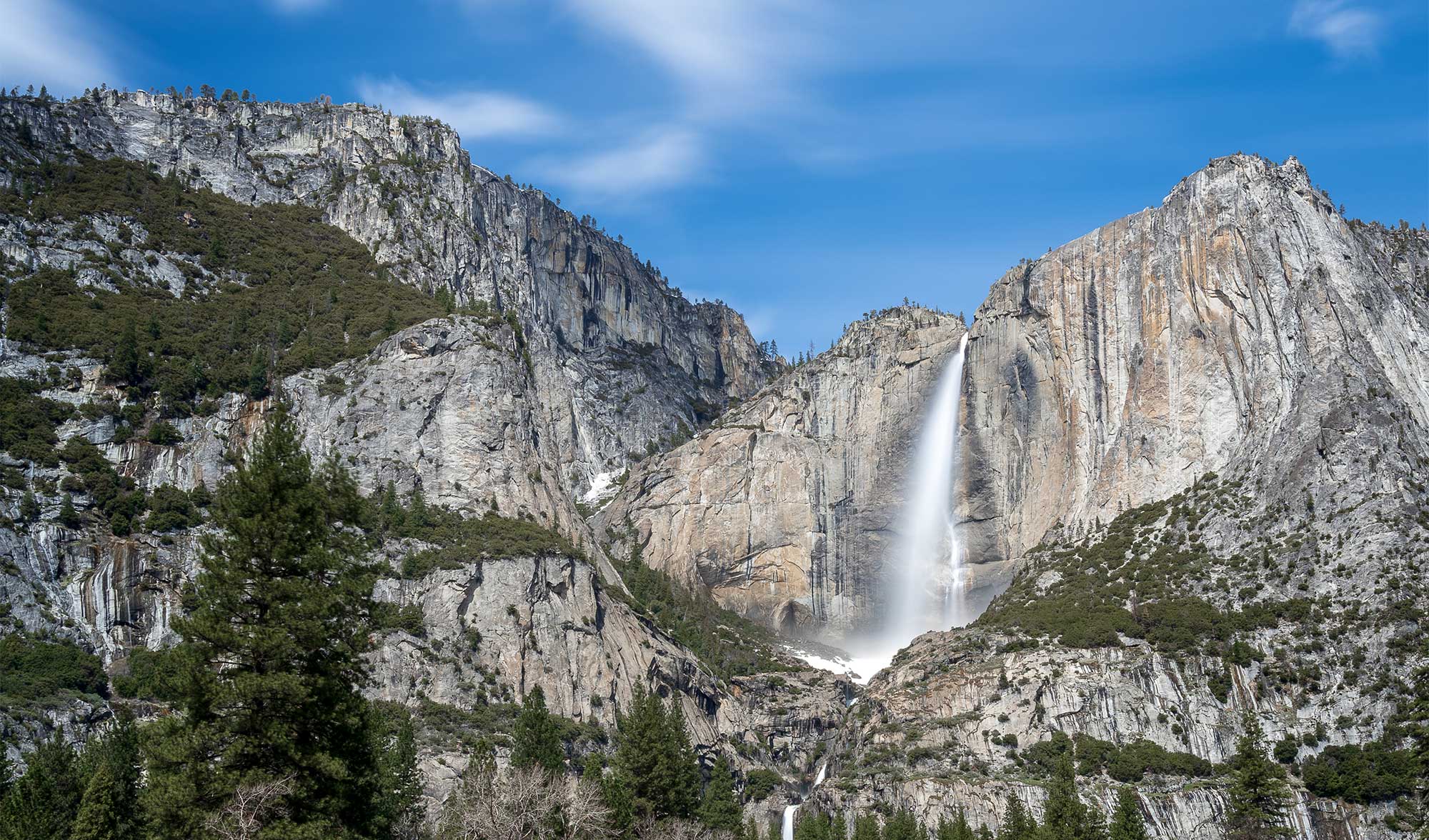
In this part of our blog series on filter photography, photographer Frank Fischer explains how to dynamically capture movement using long exposure and which filters are best for this.
Long exposure thanks to ND filters
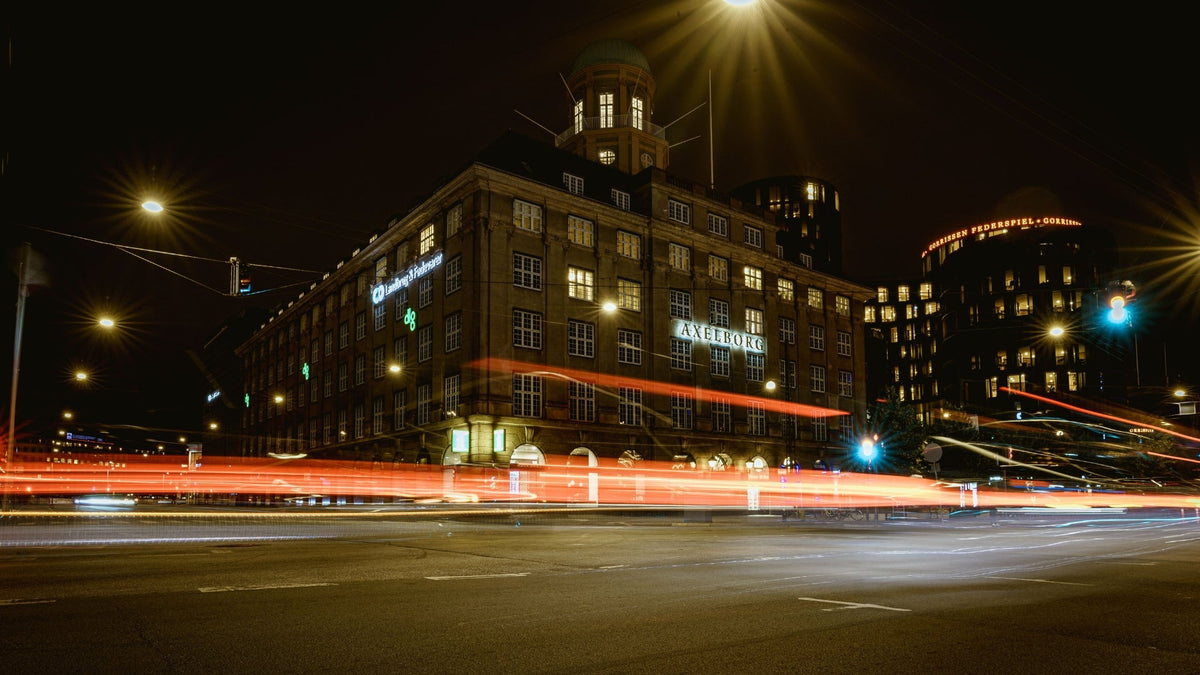
Classic long exposures are achieved with little available light - for example at night, or during the day using ND filters (neutral density filters). The use of a tripod and remote release is usually mandatory, as the image would otherwise be blurred due to the long exposure times. Normally, every photographer is happy when their exposure times are short enough to produce a sharp photo, so why would you want to artificially extend the exposure times by using ND filters?
 Many photos showing moving elements look particularly dynamic with two exposure times:
- The subject is "frozen" with a very short exposure time, revealing things that the human eye cannot capture as a moment in this way.
- Moving parts of the subject are blurred by choosing a long exposure time.
The latter is achieved during the day by using ND filters. ND filters are neutral grey filters that block part of the light and do not allow it to pass through the filter glass. This initially makes the photo darker. By extending the exposure time, however, you get a correctly exposed photo and the desired effect. Rollei ND filters offer magnificent colour neutrality and extremely low reflections. They are available in various strengths, as screw-in filters or also as rectangular filters for the Rollei Mark II filter holder.
In the first part of our series on filter photography, you can find out more about the basics of photography with filters.
I use ND filters for classic long exposures in two primary cases:
- In landscape photography, to soften moving water or clouds, for example at waterfalls, surf or with cloud movement in architectural photography.
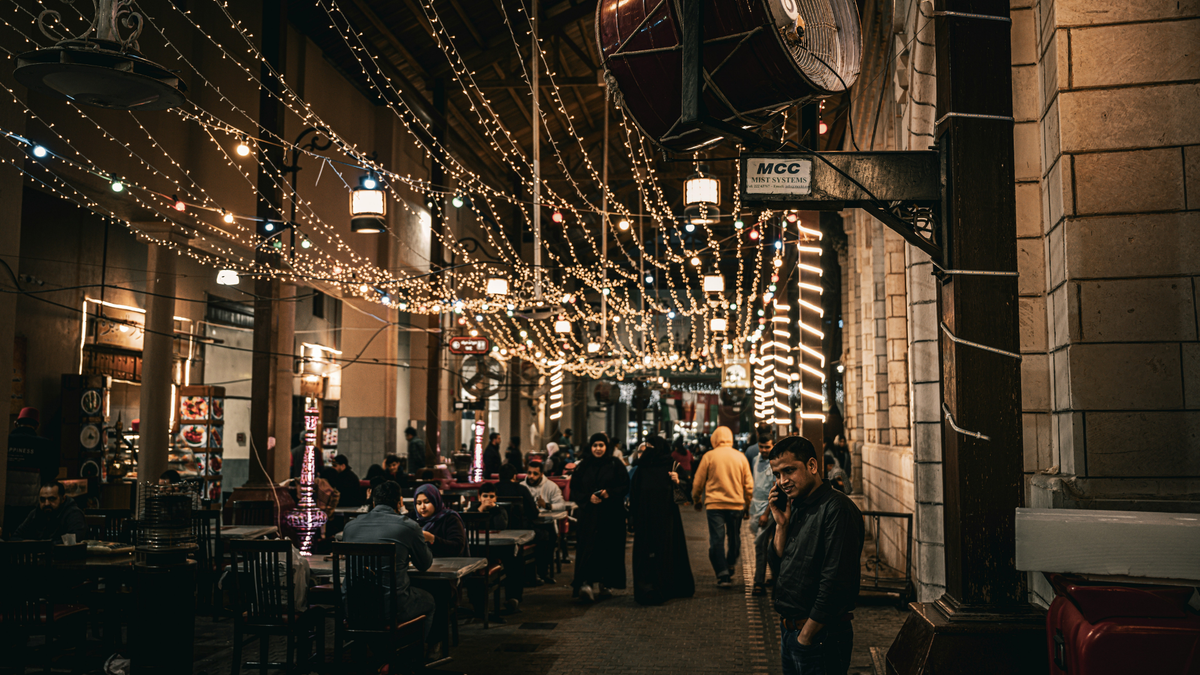
- In city photography, to fade out people/traffic.
Share:
Basics of Filter Photography (with Video)
Graduated Neutral Density Filters in Landscape Photography