
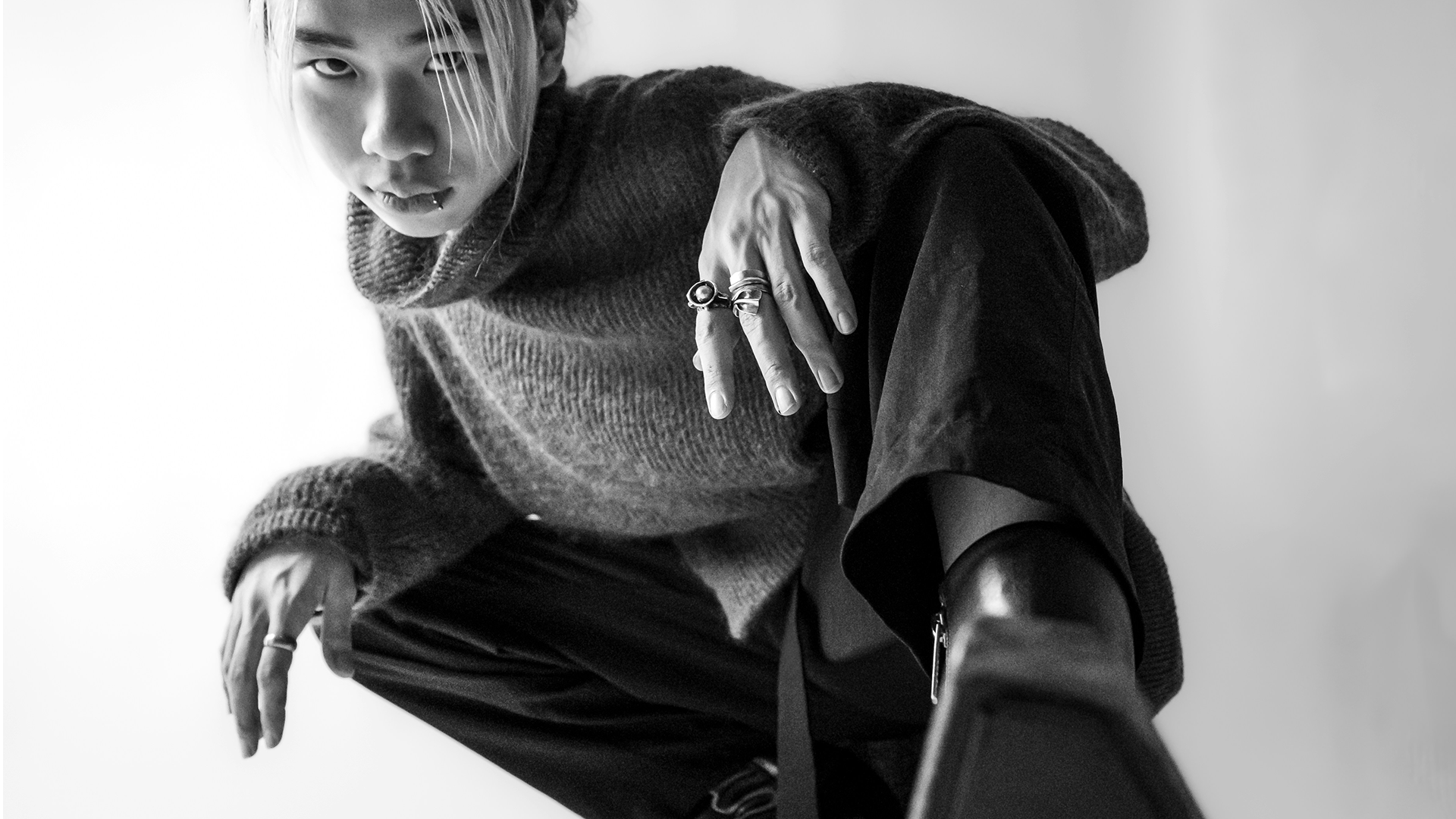
Fashion photography is more than just taking pictures of clothes – it's an art form that combines style, technique, and creativity to capture the essence of fashion. Whether you're an aspiring photographer or simply want to expand your skills, this blog post will show you how to take your fashion shots to the next level. Discover exciting equipment, creative props, suitable backgrounds, and effective poses that will add that certain something to your photos.
The Right Equipment for Fashion Photography
For successful fashion photography, good equipment is important, but it doesn't have to be the most expensive. A DSLR or mirrorless camera offers many creative possibilities, but modern smartphones also come with powerful cameras that are perfectly adequate for many projects. Especially for beginners or spontaneous shoots, smartphones are a practical and flexible option.
The choice of lens is crucial for the desired shooting style. A zoom lens (24-7mm) is versatile, a 50mm lens is good for full-body shots, and an 85mm lens is ideal for portraits and detailed shots.
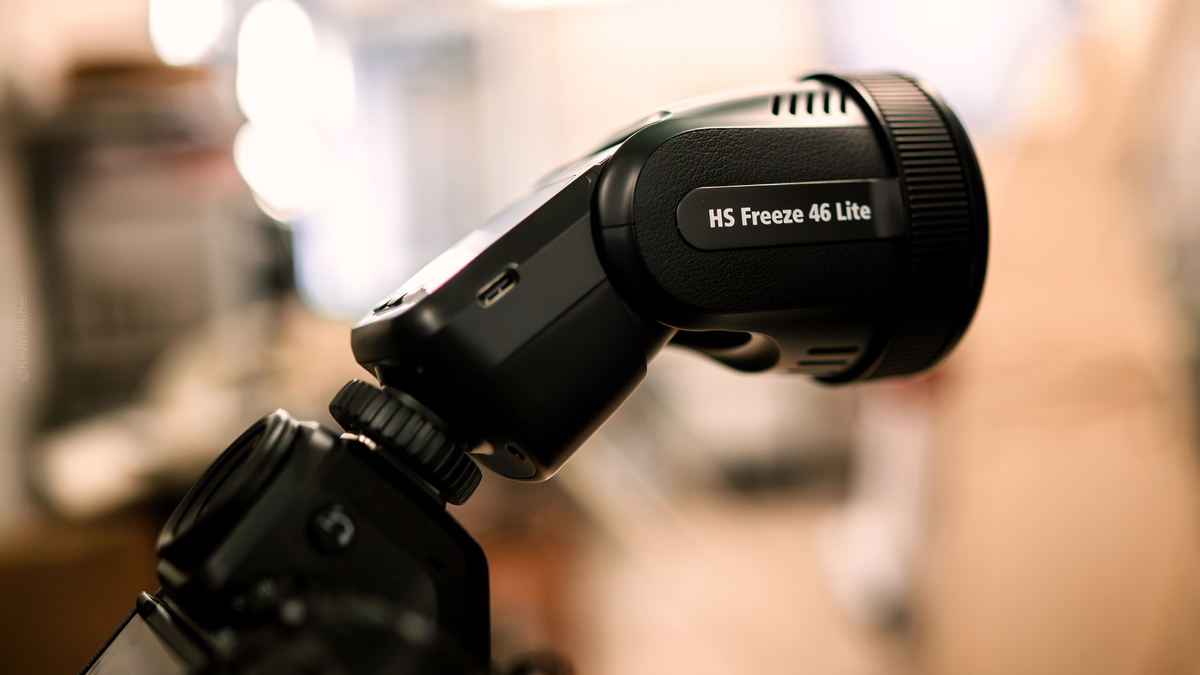
Light is a central factor in fashion photography, as it determines the mood and style of the image. Studio flash units and continuous LED lights offer comprehensive control. Continuous LED lights allow for constant light adjustment, while studio flashes are ideal for dynamic, sharp shots. Speedlights are compact and flexible, especially for mobile use.
The choice of lens is crucial for the desired shooting style. A zoom lens (24-7mm) is versatile, a 50mm lens is good for full-body shots, and an 85mm lens is ideal for portraits and detailed shots.
Light is a central factor in fashion photography, as it determines the mood and style of the image. Studio flash units and continuous LED lights offer comprehensive control. Continuous LED lights allow for constant light adjustment, while studio flashes are ideal for dynamic, sharp shots. Speedlights are compact and flexible, especially for mobile use.
The decision of which lighting setup to use depends on the specific requirements: uniform illumination or dramatic shadows, mobile flexibility or powerful studio flashes? Color temperature also plays an important role: warm white (3,000 K) for a cozy atmosphere, daylight (5,600 K) for neutral, versatile applications, cool white (7,000 K) for modern, cool looks, and RGB colors for additional creativity.
Light modifiers are essential to achieve the desired look. A beauty dish provides soft, flattering light, a softbox creates diffused light and reduces shadows, and a deep reflector provides concentrated light with deeper shadow effects. Reflectors offer the possibility to direct light gently or intensely, depending on the desired result.

Props for the Perfect Feeling
Various props can be advantageous in different situations or settings. Hats, jewelry, bags, and scarves can complement the outfit and add interesting accents. Furniture such as stylish chairs or shelves in the background of the image can enhance the setting. Fabrics like silk, lace, or velvet create a luxurious atmosphere, while natural materials like flowers, leaves, or wooden objects bring an organic touch to the image.
Background and Color Contrasts
Different backgrounds can offer specific advantages and emphasize certain elements of the image as desired. Solid color backgrounds in gray or white are neutral and do not distract from the model and, accordingly, the outfit. Black, on the other hand, can create drama and highlight vibrant colors. Complementary colors can make the model and clothing stand out; for example, a blue background could work particularly well with orange outfits.Colors and Seasons:
- Spring: Pastel colors and soft tones emphasize the fresh and blooming atmosphere.
- Summer: Bright, bold colors like yellow, orange, and turquoise convey energy and zest for life.
- Autumn: Warm, earthy tones like red, brown, and gold match the cozy, warm mood.

- Winter: Cool colors like blue, white, and silver highlight the clarity and coolness of the season.
When choosing the background, various textures can also play a role. Brick walls, wood paneling, or patterned fabrics add depth and visual interest. If the shoot takes place in natural or urban environments, a dynamic backdrop can be chosen, depending on the intention, to present the outfit in a new context.
Poses for Expressive Shots
Different poses can express different values or feelings and should therefore be chosen to match the background. An upright stance and direct gaze into the camera can convey strength and self-confidence, whereas dynamic movements like walking, turning, or jumping can bring energy and vibrancy to the image. To create a romantic or dreamy mood, soft, flowing poses are suitable.

Little Insider Tips
Music on set: Music can help relax the model and create a pleasant atmosphere. The right music can influence the mood of the shoot and lead to better, more natural poses.
White background: Many photographers prefer a white background because it is neutral and highlights the model and clothing. It also allows for easy post-processing and cropping of the subject.
Flash: Flashes offer the ability to precisely control light and achieve optimal illumination even in difficult lighting conditions. They are particularly useful for freezing movement and producing sharp images.
Fashion photography is a demanding yet extremely rewarding discipline. With the right equipment, creative props, suitable backgrounds, and effective poses, impressive fashion photos can be created that are both stylish and expressive.

Share:
The Rebirth of an Icon: The Creation of the Rollei 35 AF
The Art of Exposure in Analog Photography