
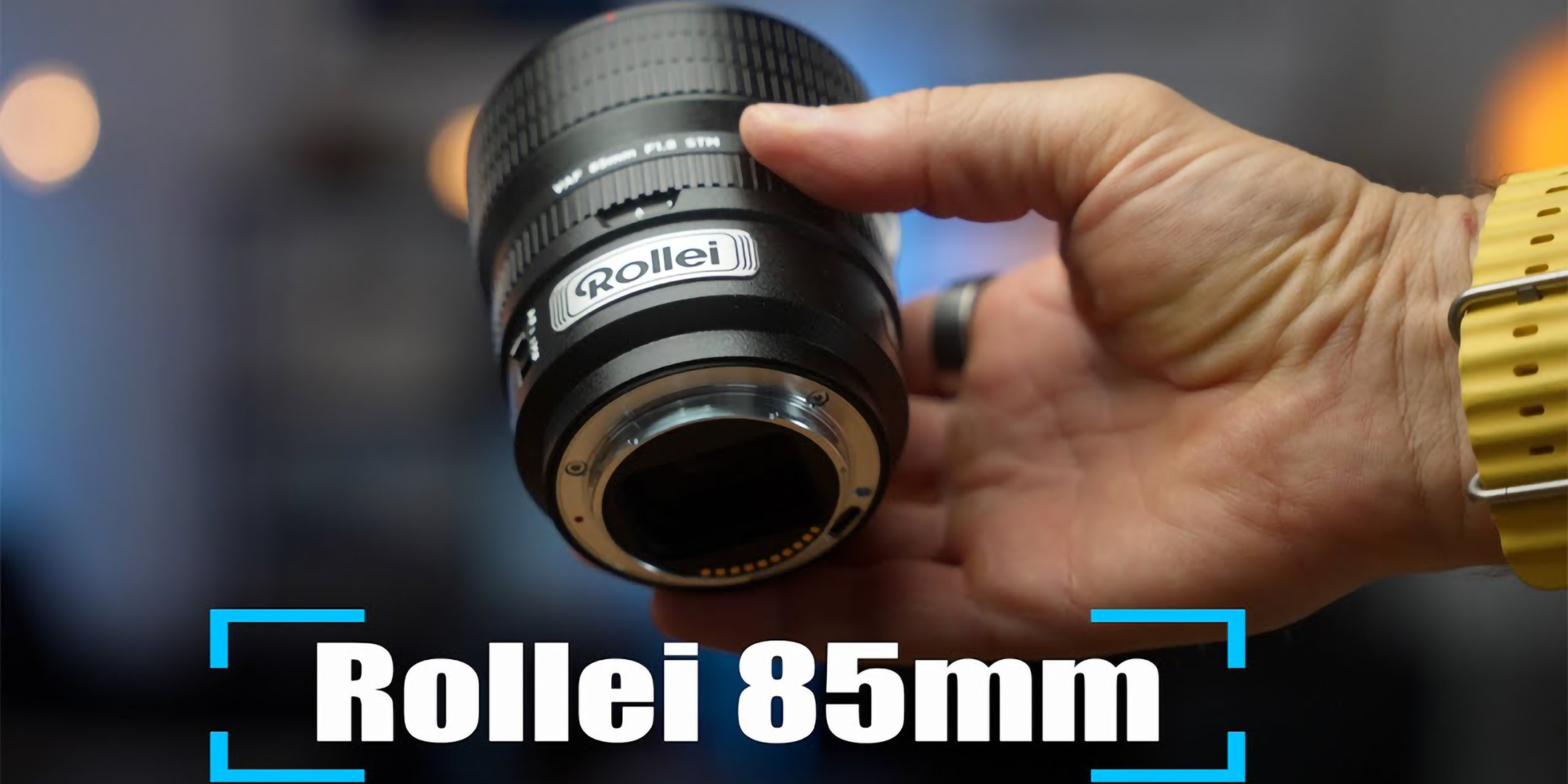
Perfect Portraits Made Easy – Stephan Wiesner's Hands-On Review of the New Rollei 85mm F/1.8
The new Rollei 85mm F/1.8 is here – promising professional portrait photography at a surprisingly affordable price. Even before its official launch, our partner Stephan Wiesner, a professional photographer and portrait photography specialist, had the opportunity to thoroughly test the new lens.
In this article, we share his personal impressions and technical assessments with you – providing a practical insight into what this portrait lens offers photographers of all experience levels.
Whether it's image quality, bokeh, or autofocus performance, Stephan examined it closely – and we've summarized his experiences for you.
Why 85mm is the Ideal Portrait Focal Length
It's no coincidence that 85mm is considered the portrait focal length par excellence. The reason lies in the perfect balance between image impact and practical handling: you can beautifully blur the background while maintaining sufficient distance from your subject.

This is particularly advantageous when photographing children or pets, as Stephan noted in his test. With the 85mm focal length, you can shoot from a distance without disturbing them – the children ignore you, and you capture genuine, unposed moments. Whether indoors or outdoors: The focal length is versatile enough for use at home, but not as extreme as a 200mm telephoto lens.

Build Quality and Haptics – Retro Design Meets Modern Technology
The Rollei 85mm F/1.8 impresses with its high-quality metal construction and appealing retro design. Despite its affordable price, the lens feels premium and robust – the noticeable weight underscores the impression of quality.
Particularly practical: The stepless aperture ring operates smoothly without clicks, allowing fluid adjustments during shooting. A function button and a switch between auto and manual focus complete the well-thought-out operation.

A modern detail is the USB-C port for potential firmware updates – a future-proof solution rarely found in lenses of this price range. The lens is also designed to be weather-sealed and will be available for both Sony E-Mount and Nikon Z-Mount.
Image Quality and Bokeh – Surprisingly Close to the Expensive Sony
In Stephan's direct comparison with the Sony 85mm F/1.8 – which costs about twice as much – the Rollei showed impressive performance. Optically, both lenses are barely distinguishable from each other, even when viewed closely on a monitor.
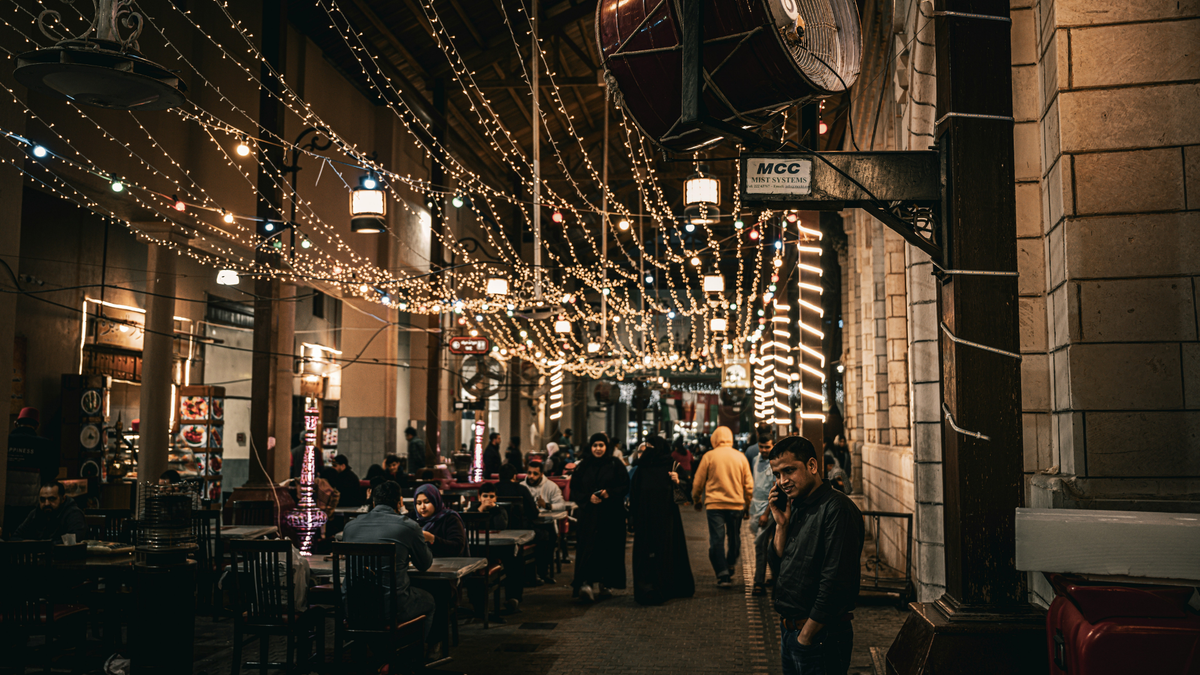
The bokeh – the rendering of out-of-focus areas – is one of the Rollei lens's great strengths. The creamy, pleasing background blur creates the characteristic look of high-quality portrait photography and alone justifies the purchase for anyone who has previously only used kit lenses.
Sharpness – Convincing Results Even at Wide Open Aperture
The sharpness in the center of the image is very good even at open aperture F/1.8 – exactly what you need for portraits. If you want a little more sharpness, you can stop down slightly, but for portrait photography, the open aperture performance is already perfectly adequate.

At the edges of the image, sharpness is, as expected, slightly lower at F/1.8 but improves quickly when stopped down. For classic portrait photography, where the main subject is central, this is completely uncritical.
Autofocus – Fast and Precise for All Standard Situations
The autofocus works quickly and precisely – it is perfectly adequate for people, walking cats, and normal portrait situations. In combination with modern Sony cameras, animal and eye detection also function flawlessly, as Stephan demonstrated in his test with the Sony A7R V.


For sports and action photography, the autofocus isn't quite as fast as its Sony counterpart, but that's not the primary use case for an 85mm lens. For all normal portrait situations, it offers more than enough speed.
Working with Backlight – Creative Possibilities for Atmospheric Portraits
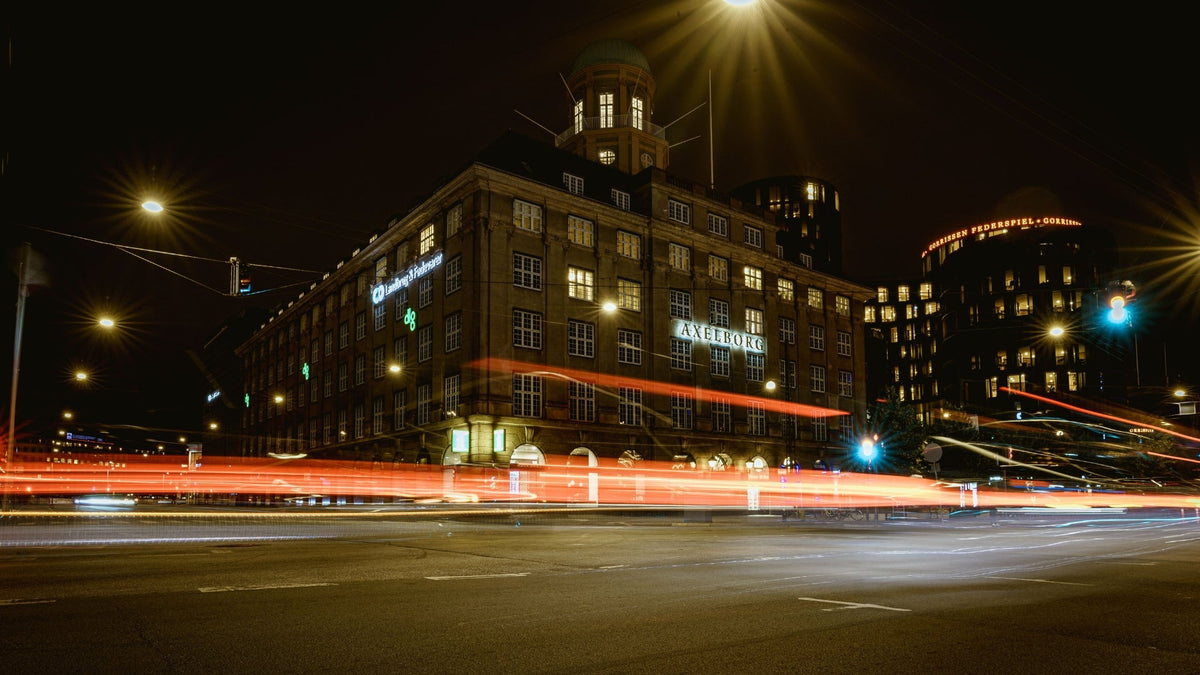
Portrait lenses are often used with sunlight or artificial light to create atmospheric flares and light effects. The Rollei 85mm F/1.8 offers beautiful possibilities here: whether for shots with long hair in backlight or for sports photography – the resulting light effects can be very appealing.

As with all lenses, some contrast is lost with direct light, which can be desirable for that characteristic, slightly desaturated look in portraits. This effect can be well controlled with the detachable lens hood.
Vignetting – Typical Behavior at Wide Aperture
At open aperture, the lens shows a noticeable vignetting – the typical dark edge that occurs with many fast lenses. This effect reduces significantly when stopped down. This behavior is completely normal and meets expectations for an F/1.8 lens in this price range.
Comparison to the Competition – Why Not Just Buy the Expensive One?
The question of more expensive alternatives like the Viltrox 85mm F/1.4 is legitimate. The Viltrox costs more than twice as much and offers an extra stop of light sensitivity. This can be relevant for theater photography or other low-light situations.
However, for most photographers, it's primarily about bokeh and image rendition – and here, the Rollei delivers impressive performance at a significantly lower price. The difference is there, but much smaller than the price difference would suggest.
Conclusion – Exceptional Value for 299 Euros
For 299 Euros, you get a lot of lens – especially a lot of that beautiful bokeh that defines the characteristic look of high-quality portrait photography. The Rollei 85mm F/1.8 proves that you don't have to spend a fortune to achieve professional portrait results.


Share:
Rollei 85 mm F/1.8 in a Practical Test with Professional Mario Dirks
Fashion Look in an Industrial Setting – Creative Shoot with Rollei Studio Flashes