
In times of digital photography, the care and archiving of analog photos often take a back seat. However, analog prints and negatives hold valuable memories that are worth preserving. To ensure they last for years or even decades, it is essential to take the right measures. In this blog post, we provide practical tips for the correct storage, archiving, and care of negatives and prints.
The Right Storage for Negatives and Prints
Proper storage is the most important factor in ensuring the longevity of analog photos. Photos and negatives are sensitive to moisture, light, extreme temperatures, and mechanical damage.
Both negatives and photo prints should never be exposed to direct sunlight. UV rays accelerate the aging process, lead to discoloration, and can make the material brittle. Therefore, store your photos in opaque containers or special archival boxes.
Photos are particularly sensitive to temperature fluctuations and excessive humidity. A constant temperature between 15 and 20 degrees Celsius and a humidity of about 30 to 40 percent are ideal. Rooms like cellars or attics, which are often exposed to moisture or heat, are less suitable for storage. A dry, cool environment is key to preventing mold growth and avoiding discoloration.
Many conventional storage containers and albums contain acidic materials that can damage photos over time. Acid-free sleeves and archival boxes made from special, photo-archival-grade materials are a better choice. These products are available in specialized photo stores or online and ensure that no harmful chemical reactions occur.
Tips for Caring for Negatives and Prints
In addition to proper storage, care measures should also be taken to preserve the condition of the images.
Dust and dirt can accumulate on photos over time. Use soft, anti-static cloths or special photo brushes to gently clean the surfaces. Avoid touching the photos with your fingers, as grease and dirt can damage the surface.
Negatives are particularly sensitive. Only handle them with cotton gloves to avoid fingerprints and grease. Store negatives in special, acid-free negative sleeves, which should be stored individually to prevent scratches and mechanical damage.

To ensure that your photos remain in perfect condition, regular inspection is advisable. Look for changes in color quality, tears, or spots. If there are signs of damage, you should consider professional help.
Digital Backup as a Supplement
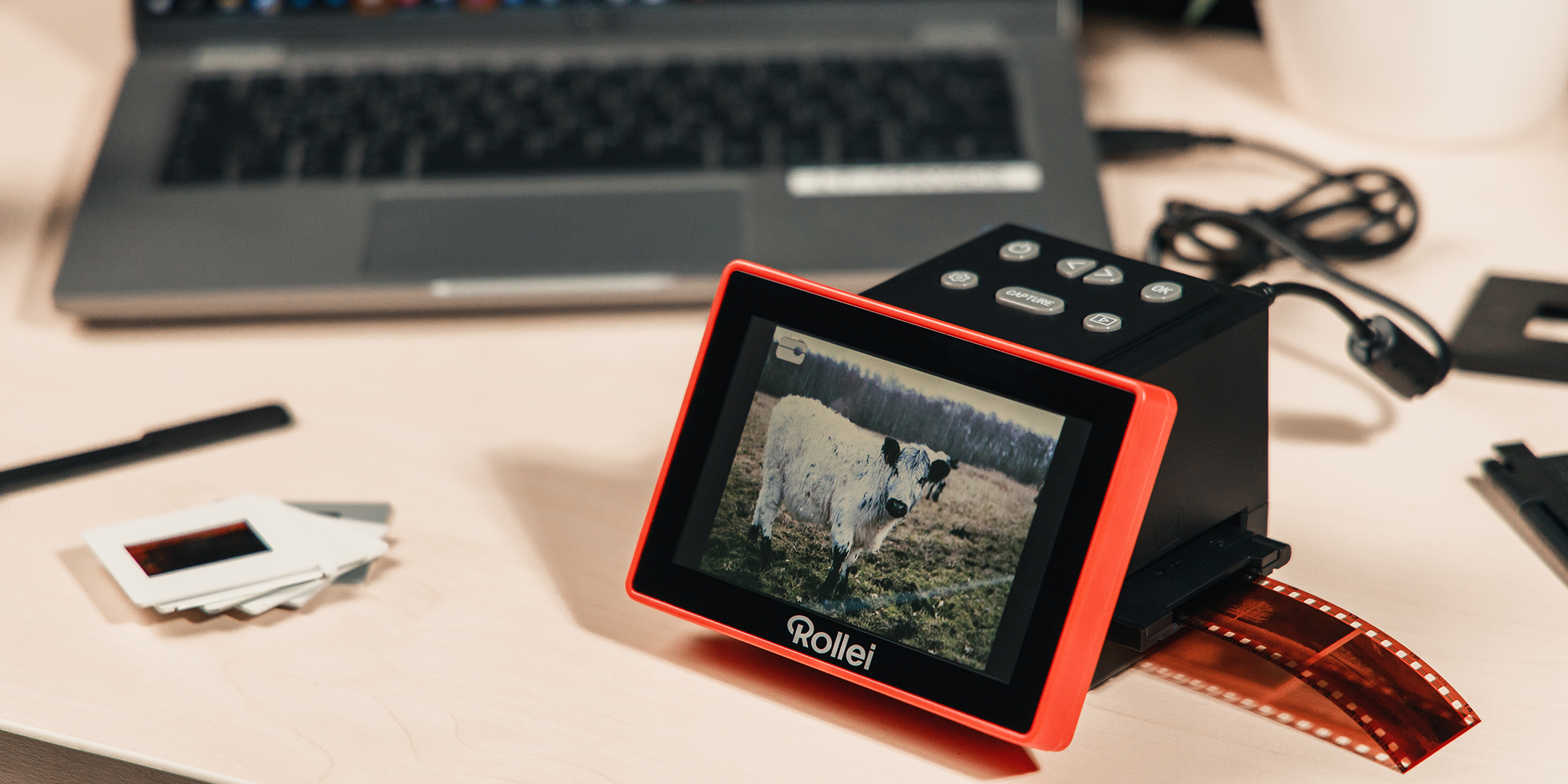
Even if the focus is on archiving and caring for analog photos, it is advisable to also back them up digitally. With a good scanner, prints and negatives can be digitized in high resolution. This not only provides a backup copy for emergencies, but also makes it easier to share and edit the images without stressing the original.
For digitizing negatives and prints, choosing a high-quality scanner is important. Scanners with high resolution and special functions for negatives enable detailed reproduction and preservation of image quality. Make sure to save the scans in lossless formats like TIFF to avoid compromising image quality.

In addition to digitization, backing up files to external hard drives or the cloud is recommended. This not only makes the photos available on the computer, but also protects them in case of hardware failure.
Long-term Preservation through Professional Archiving
For valuable or severely damaged photos, it may be advisable to consult a specialist. Restorers and specialized photo archives have techniques and materials to restore damaged photos and archive them professionally. This service may be necessary, especially for historical or severely affected photos, to ensure their continued existence.

Analog photos are fragile witnesses of the past, and their correct storage and care determine their longevity. With the right measures – from light-protected and acid-free storage to the use of cotton gloves and digitization – you can ensure that your photos and negatives remain in excellent condition for many years to come. Regular care and inspection also help to detect damage early and act in good time. In this way, your memories remain imperishable – both in analog and digital form.


Share:
3 Applications for the Candela 60 and 100 Bi-Color with Suitable Accessories
Magnetic Circular Filters for Photography: More Than Just a Technical Gadget